Don't Miss




 to add an item to your Itinerary basket.
Written by: Alex
Date posted: 06 October, 2025
Centuries of history have shaped culture and heritage in Westmorland & Furness: a beautiful area stretching across Cumbria from Alston in the north to Barrow in the far southwest. Join us as we take a look back at the last 1000 years, steeped in history and sparking the creation of some of the area’s finest culture and heritage venues open today.
11th Century
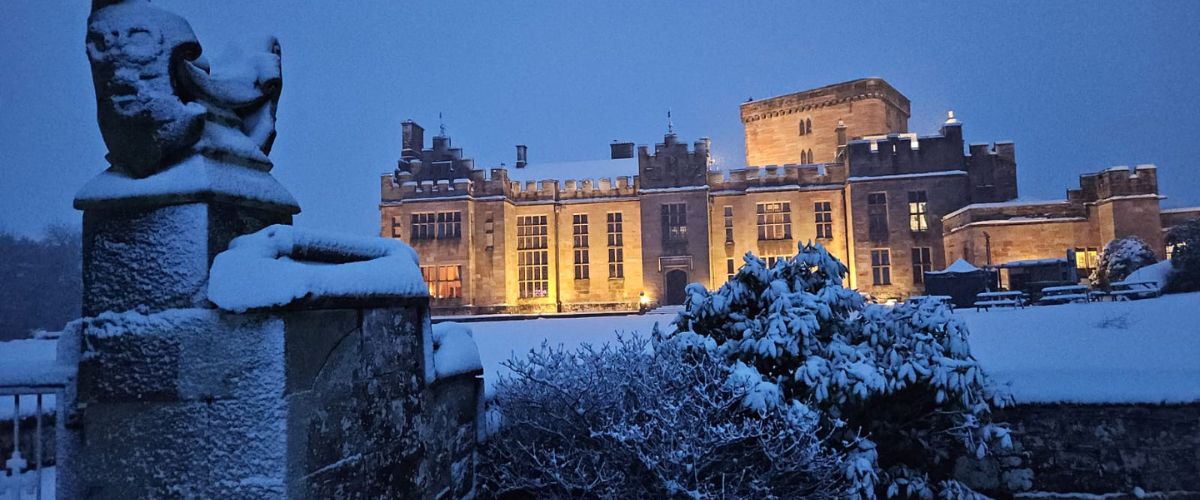
In 1069, Greystoke Castle began as a timber frame structure after the Norman invasions.
12th Century
Furness Abbey was founded – it became the largest and wealthiest monastery in the north west of England.
13th Century
The first owners of Acorn Bank were the Knights Templar in 1228 – they established a religious house on the site.
14th Century
Due to the constant threat of raids by the Border Reivers, unique defensive structures known as Pele Towers were built across the region. Hutton-in-the-Forest and Sizergh Castle are both home to Pele Towers dating from 1350s.
15th Century
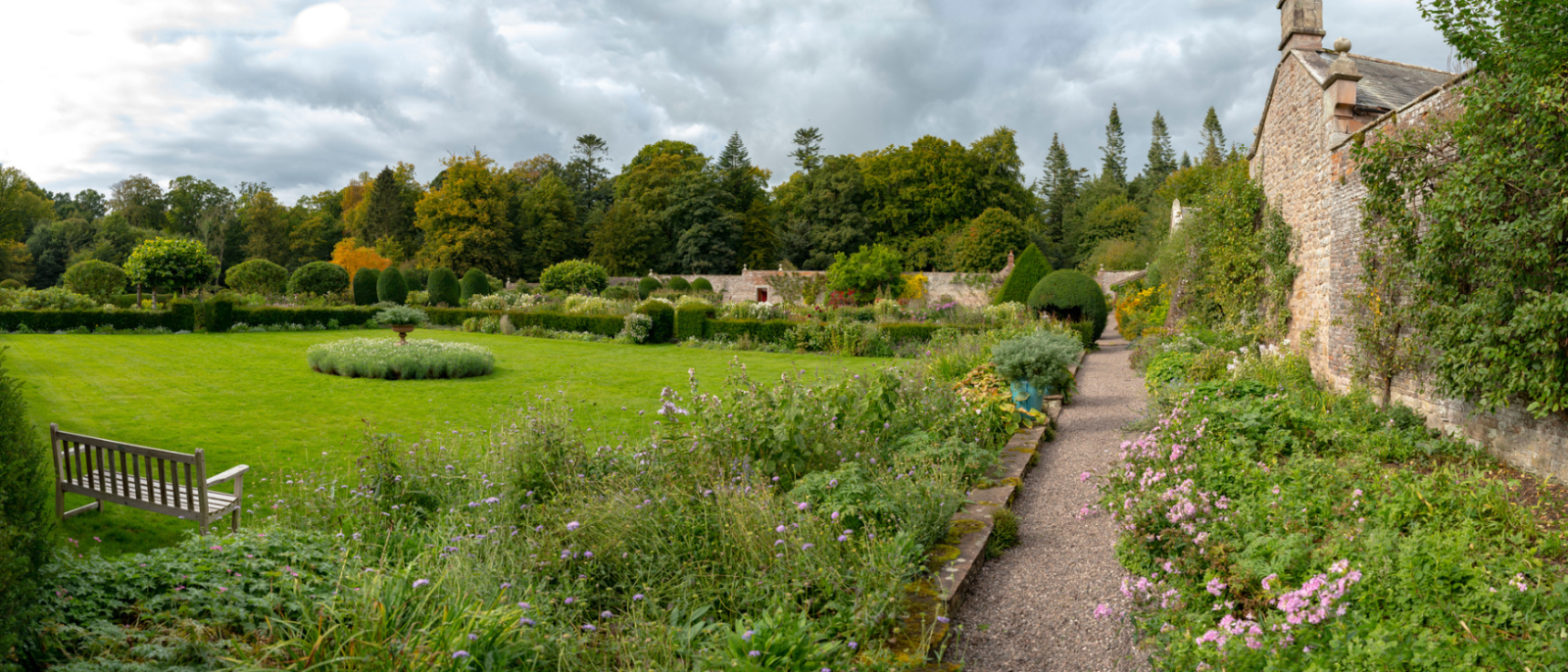
Unrest in the region continues and defensive structures continue to be built including those at Brougham Hall. Today the hall houses a thriving community of artisans and is open to the public 7 days a week.
.jpg)
16th Century
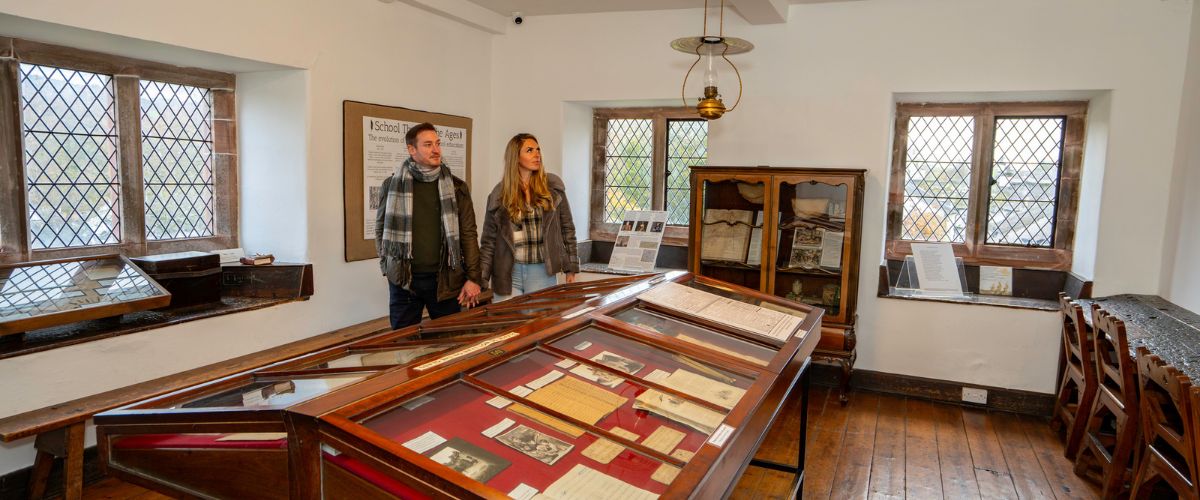
In 1585, Hawkshead Grammar School was founded. The current school building, where William Wordsworth was educated, dates from 1675 and is now open as a museum.
17th Century
The Elizabethan Levens Hall (built around an earlier Pele Tower) has heart shapes on its downpipes. This is not a romantic gesture - in 1688 the property was sold due to the owner amassing debts on cards. He lost Levens Hall on the turn of a card – the ace of hearts.
.jpg)
Quakerism started in England in the second half of the 17th Century following the English Civil War. Visit Swarthmoor Hall, which was home to Margaret Fell, one of the early Quaker Leaders.
18th Century
During this period, the Lake District landscapes inspire a generation of outstanding creatives.
In 1797, JMW Turner tours the north of England and visits the Lake District. Abbot Hall in Kendal holds a significant collection of his watercolours.
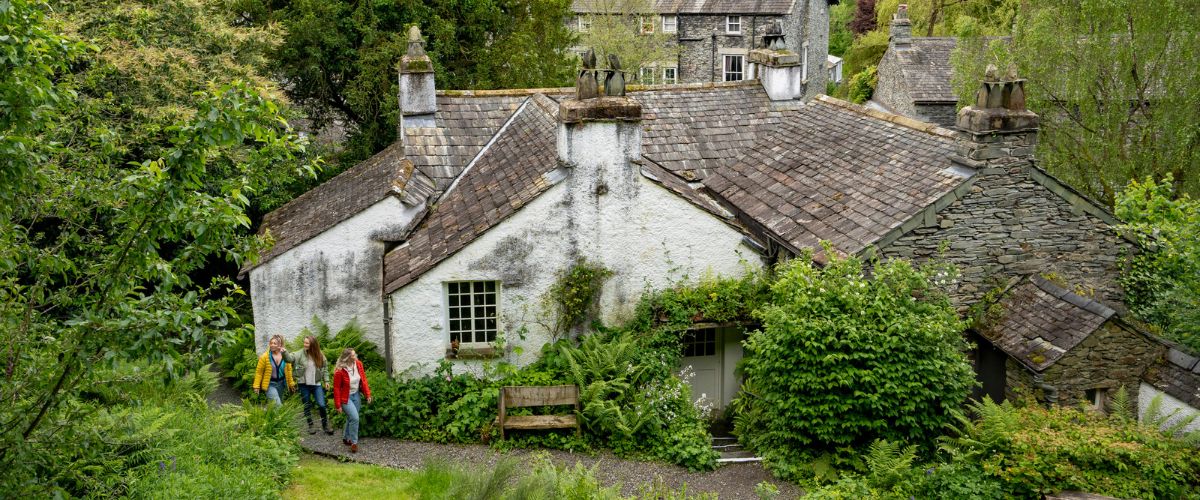
William Wordsworth and his siter Dorothy move into Dove Cottage in 1799, where he wrote many of his famous works. Visit Wordsworth Grasmere to visit the cottage and modern museum which celebrates his life and works.
19th Century
The Royal Navy’s first submarine, HMS Holland 1, was built in Barrow-in-Furness. Discover more about Barrow’s rich ship and sub-marine building history at the Dock Museum in Barrow, which is free to visit.
1871 sees Victorian art critic John Ruskin buy Brantwood on the shores of Coniston; today, it’s open to visitors with a gallery space hosting temporary exhibitions and a café overlooking Coniston water.
.jpg)
20th Century
Housed in a converted mill, Lakeland Motor Museum is home to over 30,000 exhibits that trace the development of transport throughout the 20th century.
21st Century
In 2019, a collection of 40 boats covering the history of sailing on Windermere go on permanent display in the newly built Windermere Jetty Museum.
.jpg)
Discover more www.visitlakedistrict.com/lets-go-culture
The UK Shared Prosperity Fund aims to improve pride in place and increase life chances across the UK investing in communities and place, supporting local business, and people and skills. For more information, visit https://www.gov.uk/government/publications/uk-shared-prosperity-fund-prospectus

You may leave the Lake District, but once you’ve been, it’ll never leave you.
You may also like
Follow The Lake District, Cumbria on Social Media
Receive all the latest news, special offers and information from the Lake District, Cumbria

Ratings Powered By


© Cumbria Tourism